The RV Adventure Begins: Why Onomichi is Your Perfect Starting Point
Embarking on an RV trip through Japan is an experience unlike any other, offering a unique blend of adventure and cultural immersion. It’s about more than just getting from point A to point B; it’s about the journey itself, the unexpected discoveries, and the profound connection you forge with the landscapes and local communities. And where better to kick off such an epic journey than Onomichi? This picturesque city, nestled on the Seto Inland Sea, is not only a gateway to the famous Shimanami Kaido cycling route but also a hub of rich history, artistic flair, and delicious regional cuisine. Starting your RV adventure here allows you to easily access both coastal beauty and mountainous serenity, setting the stage for an incredibly diverse exploration.
The allure of an RV trip in Japan lies in its flexibility. Unlike rigid train schedules or fixed hotel bookings, your mobile home on wheels gives you the liberty to follow your whims. Fancy an extra day exploring a quaint fishing village you stumbled upon? Done. Want to chase the sunset to a secluded beach? Absolutely. This sense of spontaneous discovery is what makes RV travel so compelling. Just as our guide on 5 reasons to visit Alabama highlights the unexpected charm of exploring lesser-known destinations, RVing in Japan opens up a world of hidden treasures beyond the major tourist circuits. You might find yourself parked beside a tranquil temple in the morning and enjoying a fresh seafood barbecue by the sea in the evening, all thanks to the freedom your RV provides.
However, with great freedom comes the responsibility of thorough preparation. An RV, while offering the comforts of home, also requires a thoughtful approach to packing. Space is a premium, and every item you bring should serve a purpose, enhancing your journey without cluttering your living area. From kitchen essentials that allow you to savor local ingredients to safety gear that ensures peace of mind, a well-curated packing list is your best friend. This guide aims to be that friend, providing you with a detailed rundown of everything you’ll need for your first RV trip, ensuring that your focus remains on the breathtaking scenery and rich culture of Japan, rather than on forgotten necessities. Get ready to embrace the open road, the vibrant culture, and the unforgettable memories waiting to be made from your Onomichi starting point.
Kitchen & Dining Essentials: Feasting on the Open Road
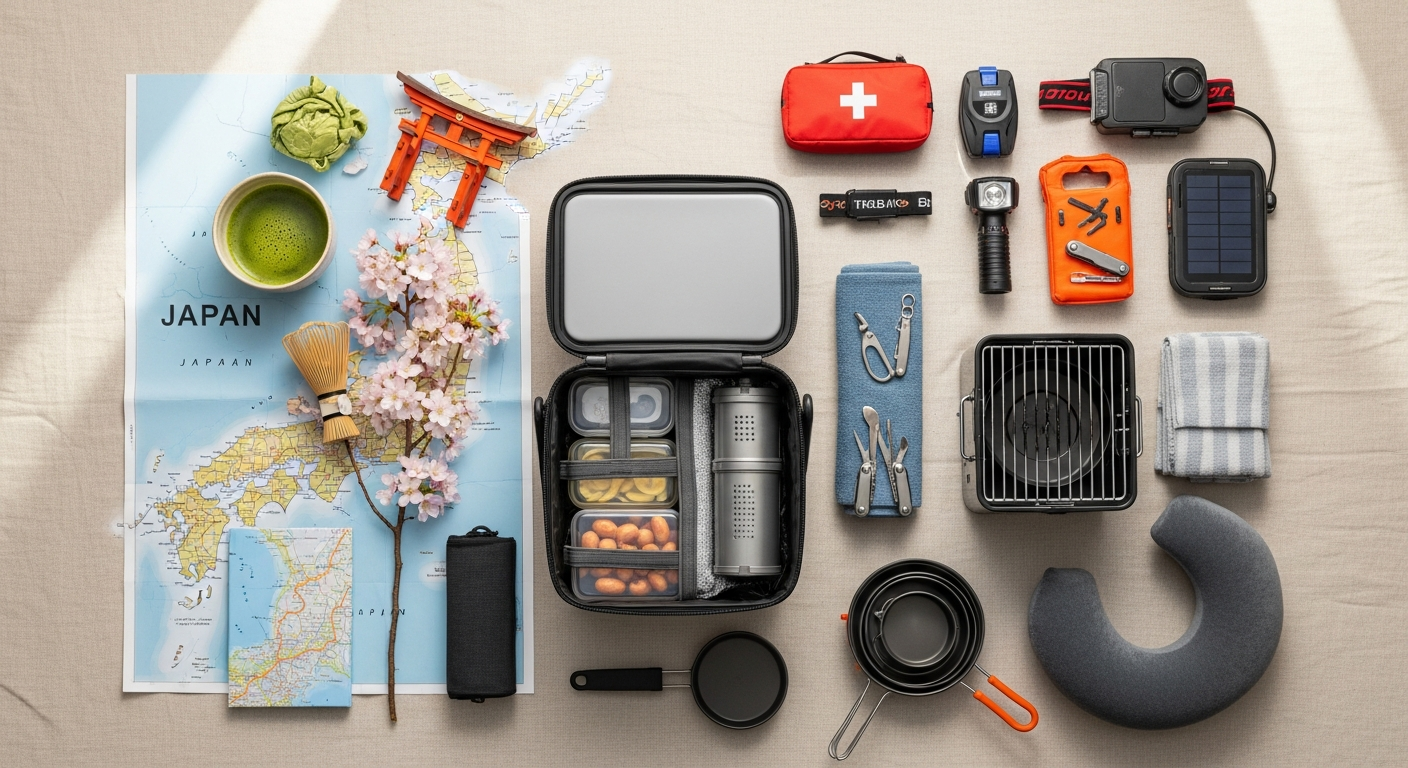
One of the greatest joys of RV travel is the ability to cook your own meals, transforming local market finds into delicious dishes right in your mobile kitchen. This not only saves money but also offers a deeper immersion into Japan’s culinary landscape. Imagine picking up fresh seafood in Onomichi’s market, vibrant vegetables from a roadside stand, or artisanal bread from a local bakery, and then preparing a feast with a stunning view as your backdrop. To make this dream a reality, a well-stocked kitchen is paramount.
Here’s what you’ll need:
- Cookware: A small set of nesting pots and pans (one frying pan, one saucepan) is ideal for saving space. Consider non-stick for easy cleaning.
- Utensils: Spatula, ladle, cooking spoon, tongs, can opener, bottle opener, corkscrew, and a sharp chef’s knife. Don’t forget a cutting board!
- Tableware: Reusable plates, bowls, cups, and cutlery for each traveler. Opt for durable, lightweight materials like bamboo or melamine.
- Cleaning Supplies: Dish soap, sponges, dish towels, paper towels, and a small trash can with extra bags. Keeping your RV tidy is crucial in a compact space.
- Basic Condiments & Staples: Salt, pepper, cooking oil, sugar, coffee/tea, soy sauce (essential for Japan!), and perhaps some instant noodles or rice for quick meals.
- Cooler or Portable Fridge: Even if your RV has a fridge, an extra cooler for drinks or day trips can be incredibly useful, especially during warmer months.
- Water Bottle/Thermos: Stay hydrated and enjoy hot beverages on the go.
- Specialty Items for Japan: A small rice cooker (many Japanese RVs come with one, but if not, a compact one is great), chopsticks, and perhaps a small portable grill for yakitori if you plan on stopping at campgrounds that allow it.
When you’re exploring charming towns around Onomichi or venturing further into the Hiroshima region, remember that local supermarkets and convenience stores (konbini) are abundant and well-stocked. They offer a fantastic opportunity to try regional specialties and stock up on fresh ingredients. Consider purchasing items like fresh fish for a quick sashimi plate, local fruits, and seasonal vegetables to elevate your RV dining experience. Embracing the local produce is a key part of the cultural adventure, allowing your taste buds to travel as much as your wheels do. Planning ahead for meals, especially for longer stretches between towns, will ensure you always have delicious options at hand, making your RV kitchen a true culinary cornerstone of your journey.
Comfort & Safety Gear: Your Home Away From Home
For Comfort:
- Bedding: Sheets, blankets, and pillows. Even if your RV comes with some, bringing your own can significantly enhance comfort and hygiene. Consider compact, easily washable options.
- Towels: Quick-drying bath towels, hand towels, and washcloths.
- Camping Chairs & Table: If you plan on setting up camp outside your RV at designated spots, a lightweight, foldable set is invaluable for enjoying meals or simply relaxing outdoors.
- Leveling Blocks: Essential for parking your RV on uneven terrain, ensuring a stable and comfortable sleep.
- Power Adapters & Extension Cords: Japan uses Type A and B outlets (two flat pins). Ensure you have the correct adapters for your devices, and a sturdy outdoor extension cord can be useful for connecting to shore power.
- Seasonal Items: Depending on the time of year, a small portable fan or heater might be necessary. Japan’s summers can be humid, and winters can be surprisingly chilly, even in the southern regions.
- Entertainment: Books, card games, or a portable speaker can make downtime more enjoyable.
For Safety:
- First-Aid Kit: Comprehensive kit including bandages, antiseptic wipes, pain relievers, allergy medication, any personal prescriptions, and insect bite cream.
- Fire Extinguisher: Most RVs come equipped with one, but always check its accessibility and expiry date.
- Roadside Emergency Kit: Jumper cables, basic tool kit (screwdriver, wrench), reflective triangles, flashlight with extra batteries, and gloves.
- Emergency Contact Information: Keep a list of local emergency numbers (police, ambulance), your RV rental company’s roadside assistance, and your embassy.
- Disposable Gloves: Handy for dealing with waste water tanks and other less pleasant tasks.
- Fresh Water Hose & Waste Water Hose: Essential for hooking up and emptying your RV tanks. Ensure they are in good condition.
- Carbon Monoxide Detector: Crucial for any enclosed space with fuel-burning appliances. Again, check if your rental RV has one and if it’s operational.
Remember, a well-prepared RV is a happy RV. Taking the time to assemble these comfort and safety essentials will contribute significantly to the overall enjoyment and peace of mind during your Japanese adventure. Whether you’re stopping for a quiet night in a michi-no-eki (roadside station) or a full hookup campground, being prepared means you can focus on the beauty of the Seto Inland Sea and beyond, rather than worrying about the unexpected. These items are your insurance against minor inconveniences and ensure your RV truly feels like your home away from home.
Personal Care & Clothing: Staying Fresh and Ready for Exploration
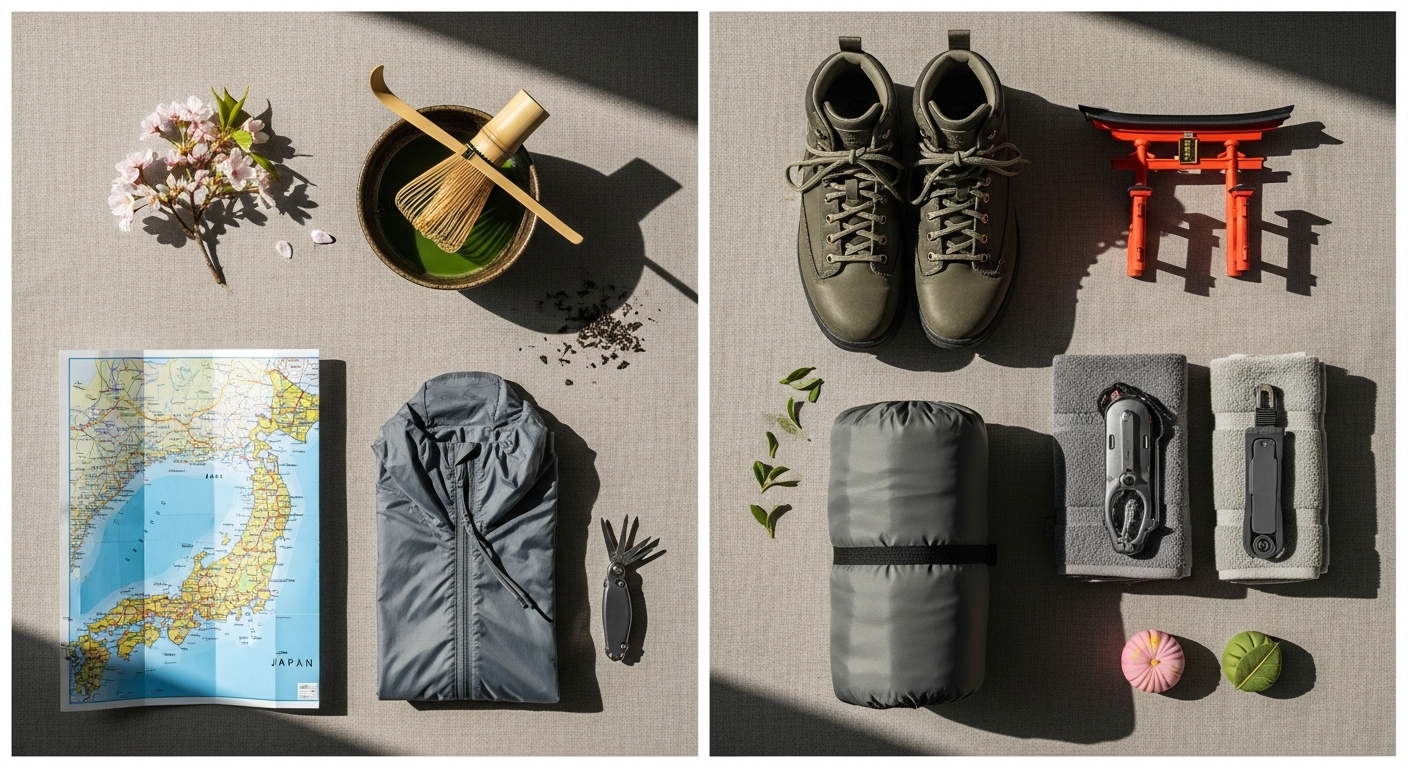
Maintaining personal hygiene and having the right attire are key to feeling good and fully enjoying your RV journey through Japan. Space is limited, so smart packing is crucial. The goal is to be comfortable, presentable, and prepared for various activities and weather conditions, without overpacking. From the bustling streets of Onomichi to serene temple visits or a hike along the coast, your wardrobe needs to be versatile.
Personal Care Essentials:
- Travel-Sized Toiletries: Shampoo, conditioner, body wash, toothpaste, toothbrush, deodorant. Opt for solid bars or refillable containers to reduce plastic waste.
- Sunscreen & Insect Repellent: Essential, especially during Japan’s warmer months and when exploring natural areas.
- Moisturizer & Lip Balm: To combat dry air or sun exposure.
- Hand Sanitizer: Always useful when facilities aren’t readily available.
- Small Hair Dryer: If you need one, choose a compact travel version.
- Quick-Drying Towels: A smaller, quick-drying towel is perfect for showering in compact RV bathrooms or public bathhouses.
Clothing & Footwear:
- Layers are Key: Japan’s weather can be unpredictable, and temperatures can vary significantly between day and night, or between different regions. Pack light, breathable base layers, a couple of mid-layers (fleeces or sweaters), and a waterproof and windproof outer shell.
- Comfortable Walking Shoes: You’ll be doing a lot of walking, whether exploring Onomichi’s temple path or a scenic nature trail. Ensure they are broken in.
- Sandals or Slip-on Shoes: Convenient for quick trips outside the RV, especially at campgrounds, and for places where you need to remove shoes frequently (e.g., temples, traditional restaurants).
- Respectful Attire: When visiting temples, shrines, or more traditional areas, it’s wise to have clothing that covers your shoulders and knees.
- Swimsuit: If you plan to visit beaches, hot springs (onsen), or public pools.
- Pajamas: Comfortable sleepwear for your RV “bedroom.”
- Underwear & Socks: Pack enough for several days, opting for quick-drying materials if possible.
- Rain Gear: A compact umbrella and a lightweight rain jacket are indispensable.
Remember that packing smart can even turn your trip into a more enchanting experience. As highlighted in our guide on 5 ways to turn any trip into a romantic getaway, comfortable yet stylish clothing can enhance the romantic vibe of spontaneous stops and scenic views. Imagine dressing comfortably for a leisurely stroll through a picturesque Japanese garden, then having a slightly nicer outfit ready for an unexpected dinner out in a charming town. Small luxuries like a lightweight silk scarf or a nice accessory can make you feel put-together without taking up much space. For laundry on the go, consider a small drying rack that can hang inside or outside your RV, and a small bottle of travel detergent. Many RV parks and michi-no-eki also have coin laundries, which are incredibly convenient. By packing thoughtfully, you’ll stay fresh, comfortable, and ready to embrace every cultural and adventurous opportunity Japan throws your way.
Navigation, Entertainment & Tech: Connected on Your Journey
In the age of digital connectivity, ensuring you have the right tech and navigation tools is crucial for a smooth and enjoyable RV trip, especially when exploring a foreign country like Japan. From finding your way along scenic routes to staying entertained during downtime, these essentials will keep you connected and on track. Just as a well-developed app enhances an e-commerce experience, as discussed in Your guide to developing a Shopify app, well-chosen tech essentials enhance your RV journey, making it more efficient and enjoyable.
Navigation:
- GPS Device or Smartphone with GPS: Essential for navigating Japan’s roads. Google Maps or Apple Maps work well, but consider downloading offline maps for areas with spotty reception. Many RV rental companies offer GPS devices, sometimes with English language options. Look for RV-specific GPS if possible, which can account for vehicle size.
- Physical Map or Road Atlas: A great backup, especially if you venture into remote areas where digital signals might fade. It also provides a broader overview of your route.
- Japanese Phrasebook or Translation App: While many younger Japanese speak some English, having a way to communicate basic phrases or translate signs will be incredibly helpful.
Connectivity & Power:
- Portable Wi-Fi Device (Pocket Wi-Fi): This is arguably the most important tech item for travelers in Japan. It provides reliable internet access for navigation, communication, and research on the go. Pre-book one for pickup at the airport or delivery to your RV rental company.
- Power Bank(s): For charging phones, tablets, and other small devices when you’re away from the RV or not hooked up to shore power.
- Multi-Port USB Charger: With multiple devices, a charger that can handle several at once is invaluable.
- Car Charger: Ensure you have chargers that plug into your RV’s 12V outlet.
- Universal Travel Adapter: For charging devices when connected to shore power (Japan uses Type A/B outlets).
Entertainment & Documentation:
- Camera Gear: Japan offers endless photo opportunities, from the historic streets of Onomichi to the serene beauty of its national parks. Don’t forget extra batteries and memory cards.
- Books, E-readers, or Audiobooks: For quiet evenings or long drives.
- Downloaded Movies/TV Shows/Music: For entertainment without relying on internet access.
- Headphones: For private listening.
- Travel Journal & Pen: To record memories, observations, and discoveries.
- Important Documents (Digital & Physical): Scans of passports, international driving permit, RV rental agreement, insurance details, and emergency contacts stored on your phone and a cloud service, plus physical copies in a waterproof pouch.
By carefully selecting your tech and connectivity tools, you’ll ensure that you can effortlessly navigate Japan’s intricate network of roads, stay connected with loved ones, and capture every precious moment of your RV adventure. This preparation allows you to fully immerse yourself in the journey, confident that you have the resources to handle any situation, from finding the nearest michi-no-eki to sharing your incredible experiences online.
Outdoor & Exploration Gear: Embracing Japan’s Natural Beauty
Japan is a country of astonishing natural beauty, from volcanic peaks and lush forests to pristine coastlines and serene lakes. An RV trip is the perfect way to explore these varied landscapes at your leisure. To truly embrace the outdoor opportunities that will present themselves, from a spontaneous hike to an impromptu picnic, you’ll need the right gear. Think about how you want to interact with the environment around Onomichi and beyond, and pack accordingly.
For Hiking & Exploring:
- Hiking Boots or Sturdy Walking Shoes: Essential for any trail, whether it’s a gentle path or a more challenging ascent. Ensure they are comfortable and broken in.
- Daypack: A small backpack for day trips, carrying water, snacks, a camera, and extra layers.
- Water Bottles or Hydration Pack: Staying hydrated is crucial, especially during physical activity. Reusable bottles are environmentally friendly.
- Binoculars: For birdwatching, wildlife spotting, or simply admiring distant views.
- Headlamp or Flashlight: In case your adventures extend into the evening or for navigating around the RV after dark.
- Trekking Poles: If you plan on more strenuous hikes, these can provide stability and reduce strain.
For Outdoor Comfort & Activities:
- Insect Repellent: Particularly important during warmer months and in forested areas.
- Sunscreen & Hat: Protect yourself from the Japanese sun.
- Compact Umbrella or Rain Gear: Weather can change quickly, so be prepared for sudden showers.
- Foldable Bikes: If your RV has space, bringing or renting foldable bikes is highly recommended, especially if you plan to tackle the Shimanami Kaido, which begins right in Onomichi. It’s an incredible way to experience the islands.
- Small Portable Grill/Stove: For outdoor cooking at designated campsites or picnic areas, allowing you to enjoy barbecues with fresh local ingredients.
- Reusable Shopping Bags: Handy for market visits and reducing plastic waste.
- Picnic Blanket: For spontaneous outdoor meals with a view.
The beauty of RV travel in Japan is the seamless transition from urban exploration to nature immersion. After a day exploring Onomichi’s temples and literary paths, you could easily drive to a nearby coastal area and spend the evening under the stars. Having the right outdoor gear means you’re always ready to seize these opportunities, whether it’s cycling across a bridge on the Shimanami Kaido, exploring a local park, or simply enjoying the fresh air from your campsite. Embrace the spirit of adventure and let Japan’s natural wonders unfold before you, confident that you have everything you need to enjoy them to the fullest in 2026.
Essential Documents & Money Matters: Smooth Sailing Through Japan
Before you even think about hitting the road, ensuring all your essential documents are in order and your finances are managed is paramount for a smooth and stress-free RV adventure in Japan. Navigating international travel requirements and currency in a foreign country can be daunting, but with proper preparation, it becomes a seamless part of your journey. This section covers the vital paperwork and financial considerations to keep you on track from your departure to your return.
Key Documents:
- Passport & Visa: Ensure your passport is valid for at least six months beyond your intended stay. Check Japan’s visa requirements for your nationality well in advance of your 2026 trip.
- International Driving Permit (IDP): Absolutely essential for driving in Japan. You must obtain this in your home country before you travel, as it cannot be issued in Japan. Your national driver’s license must also be carried with your IDP.
- RV Rental Agreement & Insurance Documents: Keep both digital and physical copies readily accessible. Understand your rental terms, insurance coverage, and what to do in case of an accident or breakdown.
- Travel Insurance: Comprehensive travel insurance covering medical emergencies, trip cancellations, and personal liability is highly recommended. Carry your policy details and emergency contact numbers.
- Flight Tickets & Accommodation Bookings: While RV travel offers flexibility, having your initial and final flight details, and any pre-booked RV park reservations, is crucial.
- Copies of All Important Documents: Make digital copies (stored on your phone, cloud service, and email) and physical photocopies of your passport, IDP, and other vital papers. Store them separately from the originals.
- Emergency Contact List: Include family contacts, your embassy/consulate information, and the RV rental company’s emergency line.
Money Matters:
- Japanese Yen (Cash): While credit cards are widely accepted in larger cities and establishments, Japan is still a cash-heavy society, especially in rural areas, smaller shops, temples, and for parking fees at michi-no-eki. Carry a good amount of yen in smaller denominations.
- Credit Cards & Debit Cards: Inform your bank and credit card companies of your travel dates to avoid any fraud alerts or card suspensions. Ensure your cards are compatible with international ATMs and POS systems. Look for cards with no foreign transaction fees.
- Travel Money Cards: Pre-loaded currency cards can be a secure way to manage your travel budget.
- Budgeting: Plan a daily budget for fuel, food, RV park fees, attractions, and miscellaneous expenses. RVing can be cost-effective, but unexpected costs can arise.
Having all these documents and financial preparations in place will allow you to relax and fully immerse yourself in the cultural richness and adventurous spirit of your Japanese RV journey. With your paperwork squared away and your finances organized, you can focus on the stunning views from Onomichi, the delicious regional cuisine, and the unforgettable experiences that await you on the open road. This meticulous planning is the foundation for a truly worry-free exploration of Japan.
FAQ Section
Is RV travel popular in Japan?
Yes, RV travel, often referred to as “camping car” travel in Japan, has been steadily growing in popularity. It’s embraced by both domestic and international travelers looking for a flexible and immersive way to explore the country. Japan boasts an excellent network of michi-no-eki (roadside stations) and dedicated RV parks, offering facilities for overnight stays, making it a comfortable and convenient option for road trippers.
Do I need a special license to drive an RV in Japan?
For most standard RVs available for rent in Japan, a regular international driving permit (IDP) obtained in your home country, along with your valid national driver’s license, is sufficient. You do not typically need a special commercial or heavy vehicle license unless you plan to drive exceptionally large or specialized RVs, which are rare for tourist rentals. Always confirm the specific requirements with your RV rental company.
Where can I park my RV in Japan?
Japan offers numerous options for RV parking. The most common and convenient are michi-no-eki (roadside stations), which provide free overnight parking, restrooms, and often local produce and souvenir shops. Many also have restaurants and sometimes even onsen (hot springs). Additionally, there are dedicated RV parks (often called “RV sites” or “camping grounds”) that offer hookups for electricity and water, dump stations, and other amenities, usually for a fee. Parking overnight in regular public car parks or on the side of the road is generally not permitted and can lead to fines or issues.
What about internet access on the road?
Internet access is crucial for navigation and communication. The most reliable and recommended option for RV travelers in Japan is a portable Wi-Fi device, often called “pocket Wi-Fi.” You can rent these at major airports, have them delivered to your hotel, or sometimes even rent one directly from your RV rental company. While public Wi-Fi is available in some cities and michi-no-eki, a pocket Wi-Fi provides consistent connectivity wherever you go.
Can I cook my own food easily in an RV in Japan?
Absolutely! Cooking your own food is one of the highlights of RV travel in Japan. Most rental RVs come equipped with a basic kitchen setup, including a small stove, sink, and refrigerator. Japanese supermarkets and convenience stores are abundant and well-stocked with fresh, high-quality ingredients, allowing you to easily prepare meals. This not only offers a cultural experience through local produce but also helps manage your travel budget effectively.
What’s the best time of year for an RV trip in Japan?
The best time for an RV trip in Japan largely depends on your preferences. Spring (March to May) is popular for cherry blossoms and mild weather. Autumn (September to November) offers stunning fall foliage and comfortable temperatures. Summer (June to August) can be hot and humid, especially in the south, but it’s great for beach activities and festivals. Winter (December to February) can be cold, with snow in many regions, which is perfect if you enjoy winter sports but requires more careful planning for road conditions and heating in the RV. Each season offers unique beauty and experiences for your 2026 adventure.
Recommended Resources
Explore How To Find The Best Vacation Rental Deals for additional insights.
Related reading: How To Plan A Family Vacation On A Budget (Vacation Rental Planners).